Three hours before the show, you're standing in front of your closet with five rejected outfits on the bed and a taxi booked in twenty minutes. Sound familiar? I've watched grown adults have full meltdowns over this exact scenario, and I say that as someone who once showed up to a venue in the wrong shoes and spent the entire event shifting weight from foot to foot like a nervous flamingo.
Here's the honest truth nobody tells you: there is no official dress code for fashion week. No invitation will tell you what to wear. No usher will turn you away for wearing flats. And yet, everyone in that room is dressed with a level of intentionality that would be exhausting anywhere else. Knowing what to wear to a fashion week show means reading the room before you enter it.
Key takeaways
- No formal dress code exists — expectations are implicit, not written anywhere
- What you wear depends on your seat: front row, standing, presentation, and show all demand different energy
- The 3 3 3 rule (3 colors, 3 textures, 3 accessories max) stops over-dressing before it starts
- Practicality beats spectacle: you'll likely stand, walk, and wait far more than you expect
- Avoid oversized competing logos — you're a guest, not a billboard
- Neutral tones read as expensive; loud ones read as trying
What do you actually wear to a fashion week show?
The answer depends on something almost nobody mentions: where you're sitting. A front-row editor and a standing-room guest are playing two completely different games.
Front row is theatre. People photograph you before the show starts, and the clothes need to hold up under that scrutiny from every angle. Standing room is different — you're packed in, often for forty minutes before anything begins, and comfort suddenly matters as much as silhouette.
The implicit hierarchy of an invitation
Invitations rarely spell out your status, but the type tells you plenty:
- Runway show, front row — full look, high polish, nothing accidental
- Runway show, standing — one strong statement piece, everything else restrained
- Presentation (models standing still, you walk around) — flat shoes, easy layers, you'll be moving constantly
- After-party — this is where you can finally be a little reckless
I learned this the hard way at a presentation three years ago. I wore heels I'd bought specifically for the occasion and spent the entire event pacing a concrete floor. My feet were ruined by hour two, and I limped to the metro afterward. Now I check the format before I check the outfit.
Is there a dress code for fashion week?
No. Officially, absolutely not. You could technically wear sweatpants and nobody would stop you at the door.
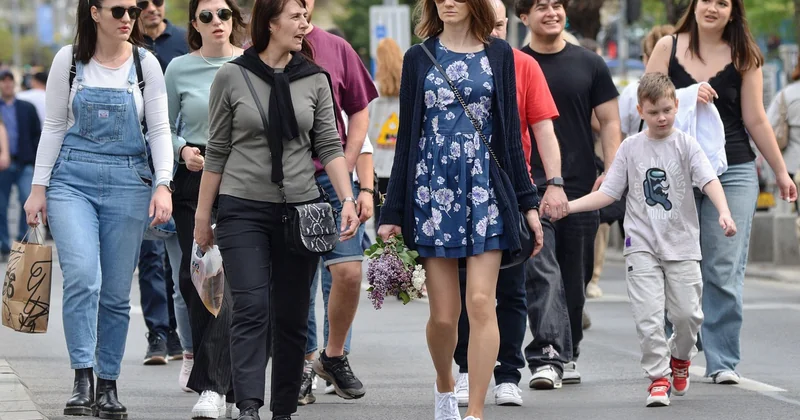
But here's what actually happens: there are unwritten expectations, and they're stricter than most written codes. Show up looking like you wandered in from a grocery run and you'll feel the difference in how people treat you — not consciously, but it's there. The room reads your effort level in about two seconds.
The three real rules
- Don't compete with the collection. If a brand is showing an all-red collection, wearing head-to-toe red is a strange move. You're a guest at someone else's party.
- No oversized competing logos. Wearing a giant logo from a rival house is genuinely awkward for everyone, including you.
- Dress for standing and waiting. Shows start late. Venues are cold, then hot, then cold again. Layers are not optional.
Beyond that, the field is wide open. That's the freedom and the trap of it.
What is the 3 3 3 rule in fashion?
The 3 3 3 rule is a styling shortcut that keeps an outfit from spiraling: no more than 3 colors, 3 textures, and 3 statement accessories in a single look. It's not a law, and no designer invented it — it's the kind of folk wisdom that circulates among stylists because it works.

Why it helps at fashion week specifically: the temptation is to layer every interesting piece you own at once, and the result reads as noise rather than style. The rule forces editing.
How I actually apply it
Let's say I'm building a look around a structured wool coat. That's texture number one and color number one. I'll add a silk slip underneath (texture two, same color family), leather boots (texture three), and stop. Accessories: a single sculptural earring, one ring, a small bag. Three. Done.
The rule isn't sacred. But when I'm staring at a mirror at 8am and second-guessing everything, having a number to count to is genuinely calming.
What to wear as a guest, by gender and season
The advice splits once you account for two variables: personal style orientation and temperature. Summer fashion weeks are a different sport entirely — usually held in June or July, in cities where the pavement radiates heat by noon.

Women, as a guest
Summer is punishing. You want breathable fabric, but not beachy. Think linen suiting instead of linen dresses, wide-leg trousers over shorts, and a light blazer you can carry over one arm when the venue turns into a sauna.
Shoes are the real decision. If you're standing, a flat or block heel is the only sane choice. If you're seated, a heel is fine — but know you'll likely walk to and from the venue. I've done the "heel in the bag, flats on the feet, change at the door" trick more times than I'll admit, and it works every time.
Men, as a guest
Menswear has gotten more forgiving, but the same principle applies: one strong silhouette, everything else quiet. A relaxed suit in a natural fabric, an unbuttoned shirt, and clean low-profile shoes will get you through almost any show. Denim works if the cut is sharp and the wash is dark.
What doesn't work: gym-adjacent anything, sandals with visible socks, and anything that looks like you googled "fashion week outfit" five minutes ago. The fit matters more than the brand — a mediocre jacket tailored to your shoulders beats an expensive one that hangs wrong.
What color makes you look expensive?
Neutrals. Full stop. Cream, camel, charcoal, deep navy, black, and muted olive read as expensive because they don't shout. Loud colors and shiny fabrics signal effort; understated tones signal ease, and ease is what money is supposed to buy.
That's not a rule about color theory — it's about association. A cream silk shirt looks like it cost more than a neon one because the fabric quality is what you notice first, not the color grabbing your eye.
The practical shortcut
If you're unsure, pick one neutral as your base and add a single accent: a burgundy bag, a gold cuff, a scarf with one unexpected tone. The accent is where personality lives. The base is where the expensive signal lives.
| Look | Reads as | Best for |
|---|---|---|
| All-neutral, one accent | Expensive, composed | Front row, presentations |
| Neutral base, bold accessory | Stylish, approachable | Standing room, after-parties |
| Full statement look | Confident, risky | Only if you're certain |
| Trend-forward, head to toe | Trying hard | Rarely worth it |
The mistakes I made so you don't have to
My worst fashion week outfit involved a structured blazer I'd bought online the week before. It looked sharp in the mirror at home and completely wrong under venue lighting — too stiff, slightly shiny, a full size off in the shoulders. I spent the whole show with my arms crossed so nobody would notice the fit.
Two lessons came out of that:
- Try the outfit on in daylight, not at 11pm under a warm bulb
- Wear something you've worn before — a first-time outfit is a gamble you don't need on a day you'll be photographed
And one more, less about clothes: don't over-prepare the hair. Fashion week venues are crowded, humid, and full of people elbowing past you. Whatever intricate style you leave the house with will not survive the first thirty minutes.
The best-dressed people in any room are the ones who look like they aren't worried about what they're wearing. That calm is the actual outfit — the clothes just support it. Get the base right, resist the urge to add one more thing, and walk in like you belong there. Because you do.