You know the feeling. You're standing in front of a full closet, and you still can't find a single thing to wear. Forty shirts, twelve pairs of jeans, and somehow nothing feels like you.
For years, I dressed like a guest at my own life. I owned pieces I'd bought on a whim, things that looked great on other people, and a depressing number of items I'd never once worn outside the house. It took me a genuinely embarrassing amount of trial and error to realize that finding your personal style isn't about buying more clothes. It's about subtraction—removing the noise until what's left is actually yours.
So if you want to learn how to find your personal style step by step, without hiring a stylist or dropping a month's rent on a new wardrobe, here's the exact process I use now. It's not glamorous. It works.
Key Takeaways
- Your style isn't discovered in a store—it's discovered by paying attention to what you already reach for.
- Audit your closet before you buy anything. Most people wear roughly 20% of what they own.
- Mood boards beat impulse purchases. Collect images before spending money.
- Fit and color matter more than brand or price. A well-fitted cheap shirt beats an ill-fitting expensive one.
- Track your outfits for a month. Patterns will emerge that you can't see in a single day.
- Style is a moving target. What fits you at 25 rarely fits you at 35, and that's fine.
Why "just buy nicer clothes" is terrible advice
The problem with most style guides is that they hand you a formula instead of a method. Wear a navy blazer. Invest in good shoes. Stick to neutrals. Sound familiar?
Here's what nobody tells you: those rules are someone else's answers. They might work for you. They might make you feel like you're wearing a costume borrowed from a stranger. And that gap between "dressed well" and "dressed like myself" is where most people get stuck.
The costume effect
I once spent a decent chunk of money on a wardrobe that a menswear forum called "timeless." Chinos, oxford shirts, the whole thing. I wore it for three weeks and felt like I was playing a character named Chad who works in finance. It wasn't wrong, exactly. It just wasn't me.
That's the costume effect. The clothes fit. They followed the rules. And I hated wearing them.
The fix isn't to reject all advice. It's to treat advice as raw material, not instructions. You take what resonates and leave the rest.
The internet made this harder, not easier
TikTok and Instagram turned style into a trend treadmill. Every few weeks there's a new "must-have" piece, a new aesthetic with a new name. "Clean girl." "Old money." "Quiet luxury." By the time you buy into one, it's already rotated out.
Trends aren't evil. They're just not personal. Chasing them is the fastest way to own a closet full of things that felt urgent for a month and embarrassing for years.
The takeaway: before you follow any rule about clothes, ask whether it describes you or just describes someone with a bigger budget.
Step 1: start with what you already own
Before buying anything, do a closet audit. This is the step everyone skips, and it's the one that matters most.
How to do a closet audit that actually works
Pull everything out. Yes, everything. Pile it on the bed. Then sort into three categories:
- Wear it constantly—the pieces you reach for without thinking.
- Wear it sometimes—situational stuff, formalwear, the things you like but rarely need.
- Haven't worn it in a year—be honest here.
That third pile is your real education. Don't just bag it up and donate it yet. Ask why each piece failed. Was it the fit? The color? Did you buy it for a version of yourself that doesn't exist? I once bought a leather jacket because I wanted to be the kind of guy who wears a leather jacket. I'm not. I wore it twice.
Roughly a fifth of what most people own gets regular wear. The rest is decoration and guilt. Finding that ratio in your own closet is uncomfortable, and it's also the fastest way to stop wasting money.
The one-question test
For every "sometimes" piece, ask a single question: would I buy this again today, at full price?
If the answer is no, it's not part of your style. It's clutter with a receipt.
Keep what passes. Set aside what doesn't. Notice what's left standing—because that's the skeleton of your actual style, not the one you wish you had.
Do you actually need a "find your style" quiz?
Short answer: they can help, but don't treat them as gospel. Quizzes are useful as a starting prompt. They ask questions you might not think to ask yourself, and they're free and fast. What they can't do is see your body, your budget, or the way you carry yourself.
The free ones are fine for a first pass. Take two or three, compare the results, and look for overlap. If three different quizzes all point toward "minimalist with an edge," that's a signal worth following. If they contradict each other completely, you've learned something too: your taste is still forming, and that's normal.
What a quiz should never do is make you buy a whole new wardrobe based on a result you got in four minutes. Use the quiz as a mirror, not a map.
Step 2: build a visual reference of what you actually like
Here's the thing about taste: it's easier to recognize than to describe. So stop trying to describe it.
How to collect images without drowning
Save photos of outfits you genuinely react to—not ones you think you should like. Pinterest, saved posts, screenshots from a movie, whatever. Give it two or three weeks.
Then review the board as a whole. Look for:
- Recurring colors (are you drawn to earth tones, blacks, brights?)
- Silhouettes (loose over fitted? structured? oversized?)
- Textures and fabrics you keep saving
- The vibe—relaxed, sharp, playful, understated
When I did this the first time, I expected to see tailored and formal. What I actually saw was almost all relaxed, slightly oversized, and full of denim and muted greens. My imagined style and my real taste were two different people.
Separate "liking" from "wearing"
You can love a look and have zero interest in wearing it. That's allowed. I love how motorcycle boots look on other people. I have no intention of owning a pair.
So filter your board down again. Out of everything you saved, which pieces would you actually put on tomorrow morning? Those are your real signals. Everything else goes in the inspiration folder you never open—and that's okay.
Step 3: figure out your colors and your fit
This is where personal style stops being abstract and gets practical. Two variables do most of the heavy lifting: color and fit.
Color without the colorimetry cult
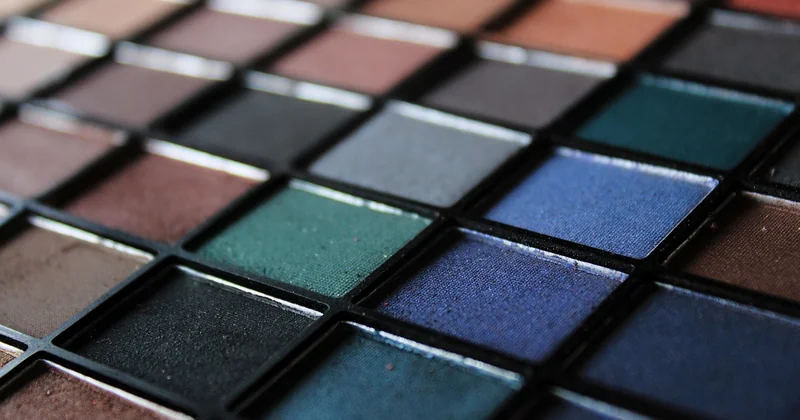
You don't need to pay for a professional color analysis to get 80% of the benefit. The shortcut: hold fabrics up to your face in natural daylight and watch what happens.
Colors that work make your skin look even and your eyes look awake. Colors that don't will make you look tired, washed out, or vaguely ill. Look at the area around your jaw and under your eyes—that's where the difference shows fastest.
Most people land in one of roughly three camps: warm tones, cool tones, or neutral. You don't need a label. You need about five to seven colors that reliably do good things for your face, and the discipline to build around them.
The fit checklist that matters more than brand
Fit beats label every time. A cheap shirt that fits properly looks better than an expensive one that doesn't. The checkpoints:
| Area | What to check | Common mistake |
|---|---|---|
| Shoulders | Seam sits at the edge of your shoulder bone | Seam hanging off the arm |
| Sleeves | End at the wrist bone, shirt cuff shows under a jacket | Sleeves swallowing your hands |
| Waist | Fabric doesn't billow when you pinch an inch at the side | Boxy, untucked bulk |
| Trouser break | A slight fold where the hem meets the shoe | Puddling fabric or too-short hems |
Hems and waists can usually be altered for a modest fee. Shoulders can't. If the shoulders are wrong, put it back.
Key point: get the structure right and the color right, and you can wear the same three outfits on rotation without anyone noticing.
Step 4: assemble a small wardrobe and test it
Now you build—slowly, and with restraint. The goal here isn't a complete overhaul. It's a handful of pieces that work together and actually get worn.
The capsule approach, minus the pressure
A full "10-piece capsule wardrobe" is a nice idea that sends most people into overthinking. Try a lighter version instead. Pick five to eight pieces that fit your colors and silhouette, then wear only those for two weeks.
What happens next is the useful part. You'll notice which pieces you reach for first, which ones annoy you by day three, and which combos you fall into without thinking. That's real data, and it's worth more than any quiz result.
Buy with a rule, not a mood
When you do buy, use a filter. Mine is simple: does this go with at least three things I already own? If not, I don't buy it, no matter how good it looks on the hanger.
This single rule cut my impulse purchases dramatically. I used to buy one-off pieces that looked great and matched nothing. Now most of what I buy actually gets worn. That's not a style revolution. It's just a system.
Buying secondhand helps here too. It lets you test a new direction without a big financial commitment, and it takes the pressure off getting it perfect on the first try.
Step 5: track it and reevaluate
Style isn't a one-time project. It drifts, and so do you.

Take a photo of your outfit once a day for a month. It takes ten seconds and it feels ridiculous at first. Then look back at the whole set. You'll see patterns you can't see day to day—the colors you gravitate toward, the shapes that recur, the pieces that never leave the hanger.
I do a light version of this every season: a quick closet check, a look back at recent photos, and one honest question. Does this still feel like me?
When to break your own rules
Every so often, buy something that doesn't fit the system. Something a little strange, a little risky, a little more than you'd usually spend. Style without any friction gets boring, and a single odd piece keeps you paying attention.
The rules exist to give you a foundation. Breaking them on purpose is how the foundation stays yours.
The part nobody mentions: the fear of being looked at
Here's what stalls more people than any budget or body-shape issue. It's the fear of standing out. Of someone noticing, and of that noticing being unkind.
I'll admit I had no idea how much this was holding me back until I started dressing deliberately. For the first month, I felt conspicuous. Nobody said anything. That was the reveal: most people are far too busy worrying about their own outfits to give yours more than a passing glance.
The discomfort fades. What stays is the fact that you're no longer dressing for a version of yourself you don't recognize.
And that's really the whole point. Your personal style isn't a finished look you arrive at one day. It's a habit of paying attention—to what you reach for, what makes you feel like yourself, and what you keep buying out of habit rather than love.
Start with the closet you already have. Take a picture tomorrow. The pattern will show up sooner than you think.