You know the moment. You're standing in a shoe shop, holding two almost identical pairs of leather shoes. One costs £85. The other costs £240. You turn them over, look for a difference you can actually feel with your fingers, and find nothing obvious. So you buy the cheaper pair. Two years later the sole is separating from the upper, the heel has collapsed inward, and you're back in the same shop buying another £85 pair.
That loop cost me more money than I like to calculate. I ran the numbers once, out of irritation, on a decade of cheap office shoes: roughly £780 spent on six pairs, none of which survived past the two-year mark. My father's pair of Goodyear-welted derbies, bought in the early 2000s, has been resoled three times and is still in rotation at family weddings.
Investing in quality shoes that last isn't about buying luxury. It's about arithmetic, construction, and a maintenance routine almost nobody explains properly.
Key Takeaways
- Full-grain leather with a stitched (not glued) sole is the single most reliable durability signal.
- A resoleable pair typically outlives three cheap pairs, even at triple the purchase price.
- The 3 shoe rule: rotate three pairs to give each one 24-48 hours of rest between wears.
- How long a shoe lasts depends on your weight, your gait, your floors, and how you store it.
- Resoling usually costs a fraction of a new quality pair. That gap is where the savings live.
- Most "sustainable" sneakers are still glued together. Sustainability claims don't equal repairability.
Why cheap shoes are actually the expensive option
Here's the thing nobody tells you in the shop: the price difference isn't in the look. It's in how the layers are joined.
Budget shoes are almost always cemented. That means the sole is glued to the upper. Glue fails. It fails faster with heat, moisture, and the constant flexing of a walk. Once that bond goes, the shoe is essentially finished, because regluing a cheap shoe costs more than the shoe is worth. You're not buying a shoe. You're renting one for two years.
Quality shoes with a stitched sole work differently. A physical seam of thread holds upper and sole together. When the sole wears through, a cobbler removes the stitching, attaches a fresh sole, and the shoe goes back into service. That's the whole trick, and it's been the trick since long before anyone was writing about it online.
The cost-per-year math nobody does
I tracked this obsessively for a while, mostly because I was annoyed at myself.
- Cheap cemented pair: £85, replaced every 20 months. Roughly £51 per year.
- Stitched leather pair: £260, resoled twice over eight years at about £60 each. Roughly £48 per year — and the shoe still had life in it.
- A cheap pair that fails in month 11 because you wore it in the rain: £85 per year, and you're buying again in a bad mood.
The yearly numbers look close. They aren't, because the second category keeps going while the first keeps restarting. After a decade, the cheap path bought five or six shoes. The other path bought one, plus three repairs.
The catch in "affordable quality"
Plenty of mid-price shoes look like the real thing and aren't. Bonded leather, sometimes labelled "genuine leather," is shredded scraps glued and pressed into a sheet. It cracks. It won't take polish properly. And no cobbler can resole it, because there's nothing solid to stitch into.
My rule when I'm holding a pair: flip it over and look at the edge of the sole. Visible stitching all the way around? Good sign. A smooth moulded edge with no thread anywhere? Put it back.
Which shoes are worth investing in?
The honest answer: the ones you can repair, and the ones you'll actually wear often enough to amortise.
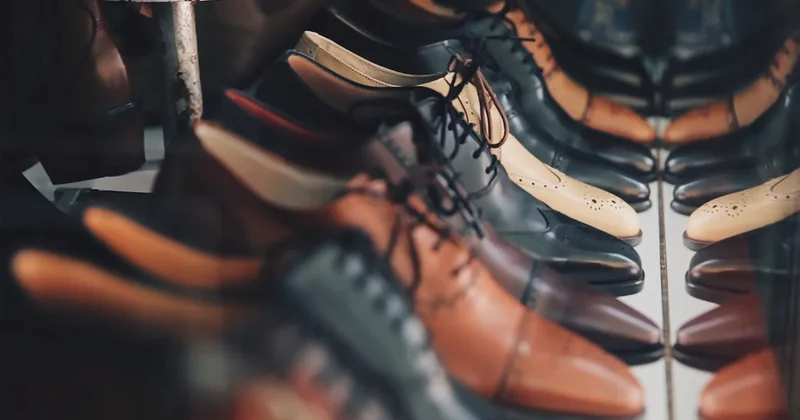
Luxury fashion houses have their place in this conversation. Structured leather loafers and classic pumps from established designers hold up well and can be repaired by specialists, which is exactly why they turn up on lists of luxury shoes worth the investment. But price alone guarantees nothing. A £700 pair with a glued sole is a worse long-term purchase than a £200 pair that a cobbler can rebuild.
What actually earns the investment:
- Full-grain or top-grain leather uppers. Not bonded, not corrected-grain plastic coating.
- Stitched soles, stitched uppers. Thread is repairable. Glue is not.
- A last shape that fits your foot without pinching, because a shoe that hurts gets abandoned.
- Plain, unfussy designs. Chunkily trend-driven shapes age badly and get retired long before they wear out.
- Confirmed repair access. Ask the shop directly who can resole it. If the answer is vague, walk.
In my experience the sweet spot sits between £180 and £350. Above that you're paying for branding, exclusivity, or hand-finishing. Below that you're usually paying for glue.
What brand of shoe lasts the longest?
I'd rather give you construction than a logo, because brands change owners, move factories, and quietly cheapen their line. I've watched two brands I trusted in the mid-2010s switch to thinner leather and cemented soles by the time I bought again. Same name on the box. Different shoe inside.
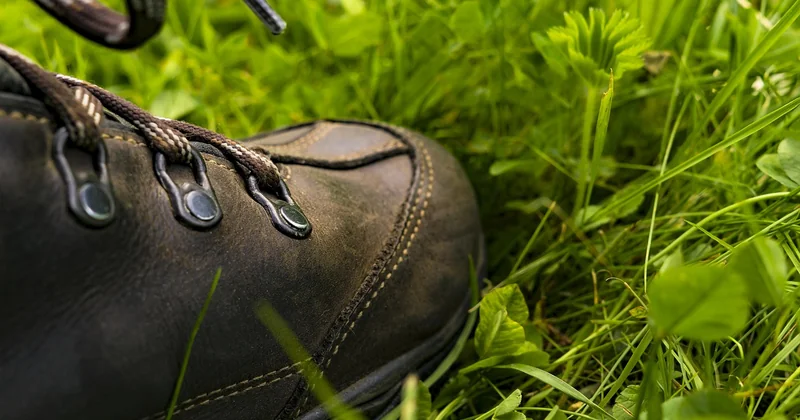
What survives is a spec. Look for:
- Goodyear-welted or Blake-stitched construction, stated openly on the product page.
- Leather that darkens and creases rather than cracks.
- A replaceable sole and, ideally, a replaceable heel stack.
- A maker who lists a repair service or names approved cobblers.
The brand that lasts longest is the one whose construction you can verify before you pay. That's less satisfying than a ranking, but it's true, and it protects you when the next "best brand" quietly changes its methods.
Durability and sustainability aren't the same claim
Here's an angle that gets missed. A shoe can be marketed as sustainable and still be unrepairable. Recycled laces, plant-based lining, a low-carbon shipping promise — none of that matters if the outsole is glued on and the whole thing goes in the bin at the two-year mark.
Sustainability in shoes, for practical purposes, is longevity plus repair. If it can't be resoled, it isn't durable no matter how green the label reads. I say that as someone who has bought the eco-branded sneaker and watched the sole peel away from the toe box within a single winter.
What is the 3 shoe rule?
The 3 shoe rule is the practice of keeping three pairs in rotation rather than wearing one pair into the ground — and it works because shoes need rest.

Leather absorbs moisture from your feet, several grams per day in warm weather. Give a shoe 24 to 48 hours between wears and that moisture evaporates, the leather returns to shape, and the insole doesn't compress permanently. Wear the same pair daily and the material never fully dries. The lining rots from the inside, the creases set, and the heel breaks down.
Three pairs, rotated, will outlast one pair worn every day by a margin that surprised me when I finally tested it. My own rotation: a brown derby, a black oxford, and a casual leather boot. Cost spread over years, that trio has been cheaper per wear than any single pair of trainers I've owned.
Shoe trees and the rest window
Cedar shoe trees matter more than most people think, and they cost a fraction of the shoes. Insert them within a few minutes of taking the shoe off, while the leather is still warm and pliable. They pull out moisture, hold the shape, and stop the toe box from curling upward.
Two details I learned the hard way: don't wear the same pair two days running if you can avoid it, and never dry wet leather on a radiator. Heat hardens the leather and cracks the finish. Stuff the shoes with newspaper, let them dry at room temperature, and they'll come back.
How long should a good quality shoe last?
With a stitched sole, decent leather, and rotation, expect eight to fifteen years, maybe longer if you resole before the sole wears into the upper. Without rotation and without trees, the same shoe might give you four or five years. The shoe is only half the equation.
Four variables move that number more than anything else:
| Variable | Effect on lifespan |
|---|---|
| Rotation and shoe trees | Can roughly double usable years |
| Body weight and gait | Heavier wearers and uneven strikers wear soles faster; a heel drag can kill a sole in months |
| Surfaces | Concrete and gravel wear soles far quicker than carpet or wood |
| Storage | Damp cupboards and direct sun both degrade leather; a breathable bag and a dry shelf is the baseline |
Resoling is the intervention that matters. Do it when the sole is thinning, not when it's through. Once the upper starts taking the abrasion, the shoe is done.
How to build a rotation without overspending
You don't need to buy three pairs at once. That's the mistake people make, and it wrecks the budget argument.
Buy one solid pair first. Wear it, learn how it creases, get the sizing right. Add the second pair when you can afford it, ideally in a contrasting colour so both earn their place. The third comes later. Within two or three years you have the rotation, and your oldest pair is still in good shape because it's been resting.
And keep a cobbler's number. Mine charges around £55 for a full resole, £20 for a heel rebuild. That's the whole economic case in two figures. Repair is cheap relative to replacement, which is why the quality shoe wins in the end — not because it's beautiful on day one, but because it's still there on day three thousand.
What I can't tell you is whether you'll actually commit to the trees, the rotation, and the occasional walk to the repair shop. That part is on you. A stitched sole buys you the option to repair. It doesn't take the walk for you.