How belts transform an outfit (and why they do more than hold up your trousers)
The fastest way to fix an outfit that feels "off" is usually not a new dress or a new pair of shoes. It is a belt. I learned this the embarrassing way: I once bought a midi dress that made me look like I was wearing a nightgown in public, wore it twice, and almost donated it. Then a stylist friend cinched a plain leather belt over it, and the same dress suddenly had a waist, a silhouette, a point of view. Same fabric. Different outfit.
That is what a belt actually does. It does not just accessorize. It rewrites the geometry of what you are wearing.
Key Takeaways
- A belt changes where the eye lands — it creates or moves your visual waistline.
- Width matters more than color: thin belts flatter structure, wide belts create it.
- The "rule for belts" is about proportion, not rigid etiquette: match the belt's visual weight to the garment's.
- Belts are not a trend cycle item right now; they have settled into permanent wardrobe territory.
- One belt can rescue three outfits you were about to give away.
What a belt actually does to a silhouette
Every outfit has a visual center of gravity. Left alone, a loose dress or an oversized shirt puts that center somewhere vague — usually your hips or your knees, which is rarely flattering. A belt puts it exactly where you choose.

The waistline illusion
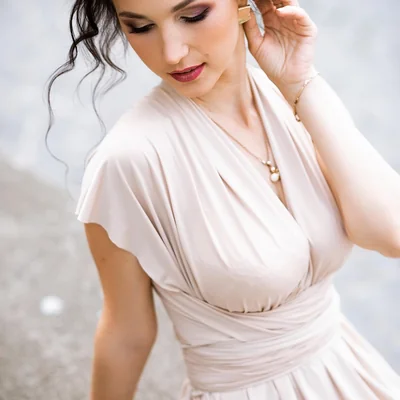
Here is the part most styling advice skips: a belt does not reveal your waist. It fabricates one. If you wear a high-waisted belt over a straight-cut tunic, the eye reads a waist that the garment does not actually have. I tested this on a boxy linen shirt I hated — belted at the natural waist, it looked intentional; belted lower, it looked like a mistake.
Placement changes everything:
- Natural waist (just below the ribs): the classic, elongating option
- Low hip: gives a relaxed, borrowed-from-the-boys feel — great on long torsos, risky on short ones
- Empire line (under the bust): dramatic, very specific, unforgiving
- Cinched over a coat: the move that makes winter outerwear look deliberate
Why it reads as "expensive"
Tailoring signals intention, and intention reads as money. A $30 leather belt over a $40 dress can make the whole thing look like one considered purchase. I have watched this happen in real time at fittings — the same outfit, styled by someone who knows where to place a belt, jumps a category. Not because the belt is fancy. Because the proportions are finally correct.
What is the 3-3-3 rule for clothing?
You have probably seen this floating around, and it is worth understanding before you dismiss it.
The 3-3-3 rule is a packing and styling framework: three tops, three bottoms, three pairs of shoes, all of which work together to build a capsule of mixable outfits. The point is not the number itself — it is the discipline of choosing pieces that genuinely combine, so you stop owning a closet full of orphans.
Where does the belt fit in? It is the wildcard. A single belt can be worn with all three bottoms and all three tops, which is exactly why capsule wardrobes lean on one or two good belts instead of ten cheap ones. I rebuilt my own travel packing around this idea last summer: three tops, three bottoms, two belts. I wore a different combination every day for nine days and never repeated a full look.
Does the rule actually work?
For most people, yes — with a caveat. The 3-3-3 rule assumes your tops and bottoms share a compatible silhouette. It falls apart if you own three flowy tops and three flowy bottoms with nothing structured to break the volume. That is where the belt earns its place: it is the structure the rest of the capsule is missing.
How to style your outfit with a belt
Most belt advice tells you to "add a belt to define your waist" and stops there. That is useless. Here is the version with actual decisions in it.
Match the width to the garment
This is the rule I wish someone had told me years ago. Thin belts (1–2 cm) suit structured, tailored pieces: trousers, pencil skirts, blazers. Wide belts (4 cm and up) suit soft, voluminous pieces: flowy dresses, tunics, oversized knitwear. Put a thin belt on a floaty maxi dress and it disappears. Put a wide belt on slim trousers and it fights them.
| Belt type | Best paired with | Body-shape effect |
|---|---|---|
| Thin (1–2 cm) | Trousers, blazers, pencil skirts | Subtle, elongating |
| Medium (3 cm) | Jeans, midi dresses, shirt dresses | Balanced, everyday |
| Wide / obi (6 cm+) | Maxi dresses, tunics, coats | Creates a strong waist, shortens torso |
| Chain or rope | Evening wear, sheer layers | Decorative, low structure |
The color question, settled
Two schools exist and both are defensible. Match your belt to your shoes for a finished, formal look. Or break the rule deliberately and let the belt be the loudest thing you are wearing. I fall firmly in the second camp — a red belt on neutral tailoring does more for an outfit than any matching set ever will. But if you are building your first capsule, matching is the safer habit.
Metal hardware should match your other jewelry. That one rule saves more outfits than any color-matching scheme, and almost nobody follows it.
Three real before-and-afters
- A shapeless knit dress: belted at the natural waist with a wide leather belt, it became a work outfit instead of loungewear.
- An oversized white shirt: a thin belt over the front, buttons open — instant borrowed-from-the-boys look.
- A summer maxi dress with no waist: an obi belt turned it from "beach cover-up" into "dinner."
Are belts still in style in 2026?
Yes, and the interesting shift is that belts have stopped being a trend item and become a wardrobe staple, which is a better place to be. Chain belts, corset belts and chunky statement belts that dominated recent seasons have settled into niche territory, while plain leather in neutral tones has become the default again. The pendulum swung wide and came back to functional.
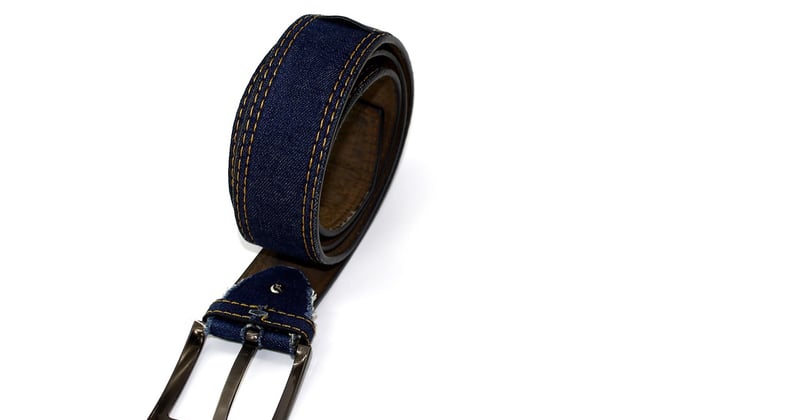
What that means practically: a good leather belt you buy now will not date. A novelty belt probably will. I have a plain tan leather belt that has survived every trend cycle I have lived through, and it still gets worn more than any of the trendier ones I bought — which is the clearest evidence I can offer.
One notable development worth watching is the return of belts as visible styling choices rather than waist definers: dropped loops, doubled belts, and belts worn over blazers for a structured, almost armor-like effect. If you want one 2026-forward move, it is belting over outerwear.
What is the rule for belts?
There is no single codified rule, despite what a lot of articles claim. What exists is a set of proportional guidelines that professional stylists use and rarely name:
- Match the belt's visual weight to the garment. Heavy fabric wants a heavy belt. Light fabric wants a light one.
- Match metal to metal. Your buckle should agree with your jewelry.
- Never belt a garment that already has a defined waist. You are just adding clutter.
- Long torso, belt higher. Short torso, belt lower or skip it.
- A belt should be comfortable enough to forget you are wearing it. If you are readjusting it every ten minutes, it is the wrong belt.
I broke rule three for about a year without realizing it, cinching belts over dresses that already had waist seams. Every photo looked subtly tighter and fussier than it needed to. Once I stopped, the outfits got cleaner and — annoyingly — more flattering.
The belt you actually need
If you own one belt, make it a medium-width leather belt in a neutral tone that sits at your natural waist. It will do more work than everything else in your accessory drawer combined.
If you own three, add a wide one for volume and a thin one for tailoring. That is the entire system. Everything beyond that is preference.
The strange thing about belts is how invisible they become once you get used to them. You stop thinking of them as an accessory and start thinking of them as part of the silhouette — which is exactly the moment they stop being optional. The next time an outfit feels unfinished, do not reach for a new purchase. Reach for the belt you already own, and try it somewhere you have never worn it before.